
Lower Redcliffe Street
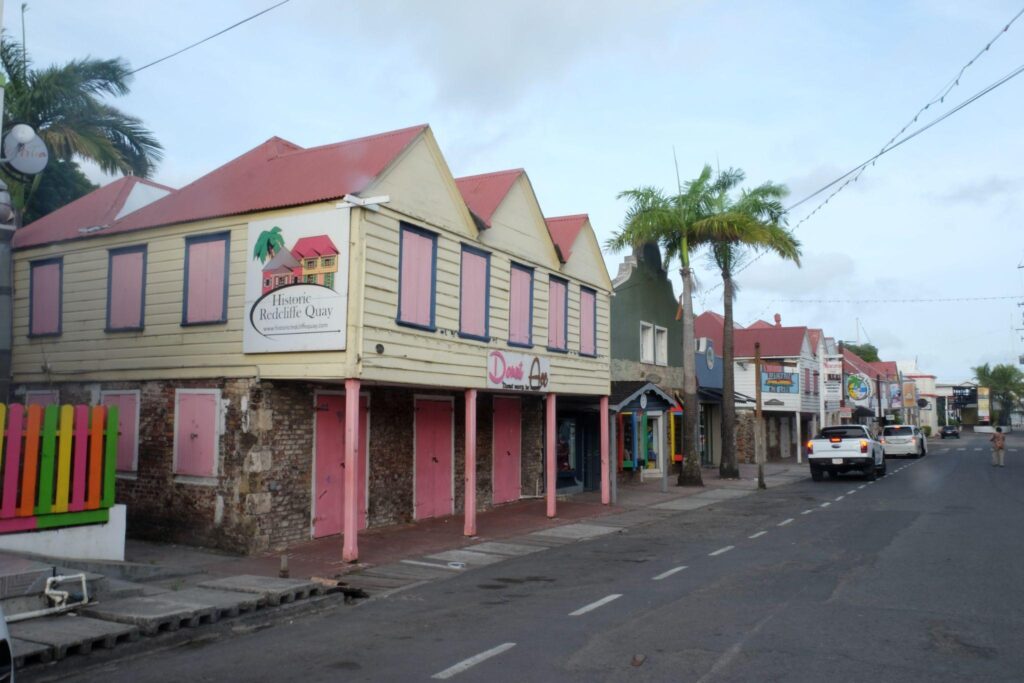
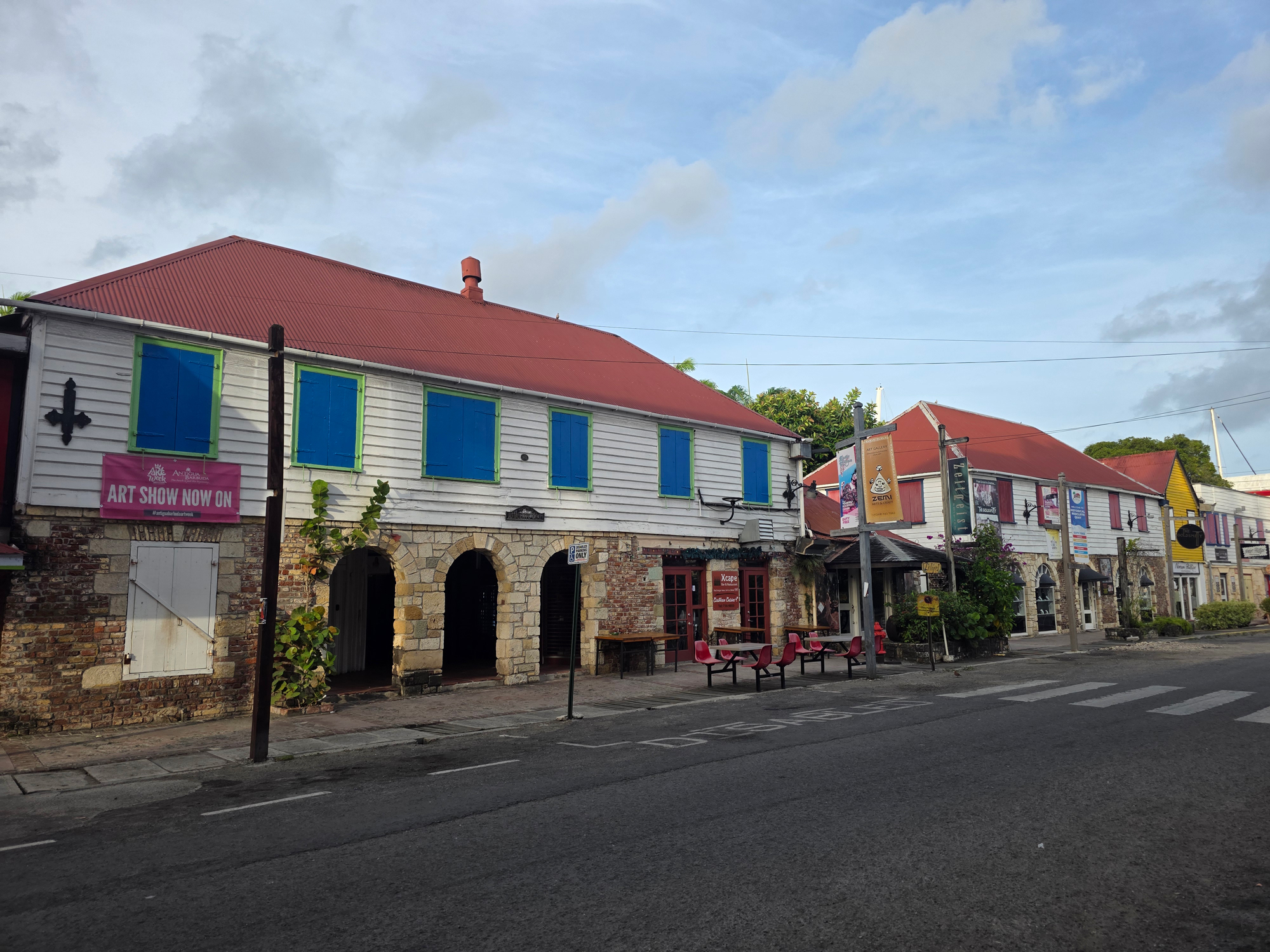
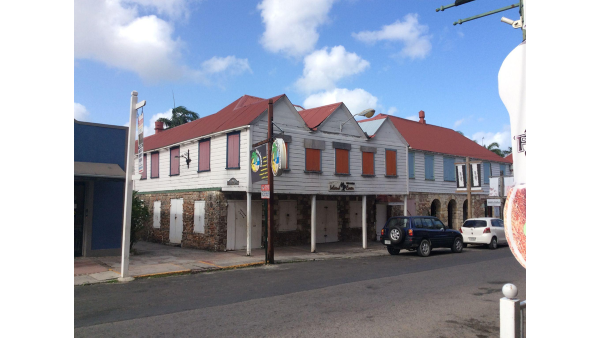
Called Ratcliffe Street on maps from the 1700s, lower Redcliffe Street is one of the older areas of St. John’s, characterised by warehouses with stone ground floors and more ornate timberwork above. These buildings were renovated in the 1980s by architect Bill Fraser, keeping as close to the original style as possible, and renamed Redcliffe Quay.
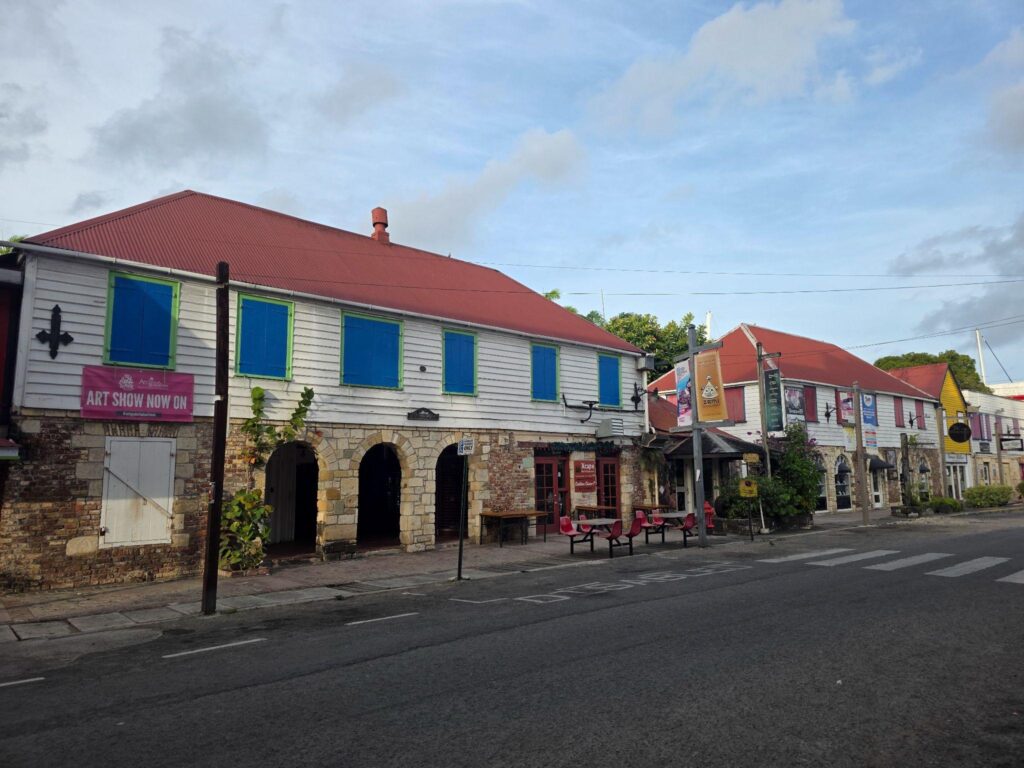
Behind are a series of smaller vernacular structures with more subtle detailing and features, including the cedar shingles on walls and roofs that are characteristic of simpler vernacular structures.
The photo below, from the 1950s, shows the area before it was renovated. In the photo are examples of tri-partite, bi-partite, and gable roofs, as well as brick work. Typically the ground floor would have been given over to commerce with residences above. The first floor often overhung the ground to provide cover to the fronts of the shops below.
Notice the different uses of weatherboarding or shiplap timberwork, with the more refined vertical boards (sometimes with a bead detail between each board) and the more rustic simple overlapping of the timber boards. Often there are small sacrificial weatherboards above windows and doors to shed rain, which were easier (and cheaper) to replace than the windows and doors below.
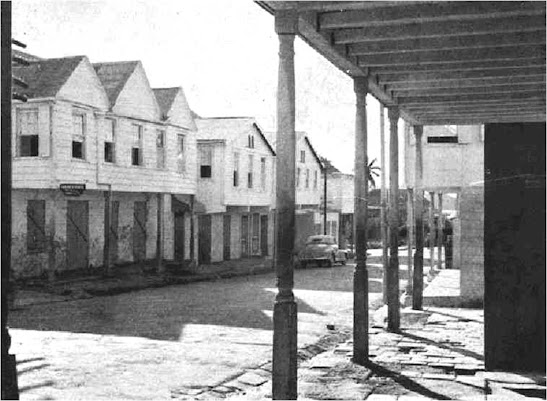
This is the same block of buildings after renovation.
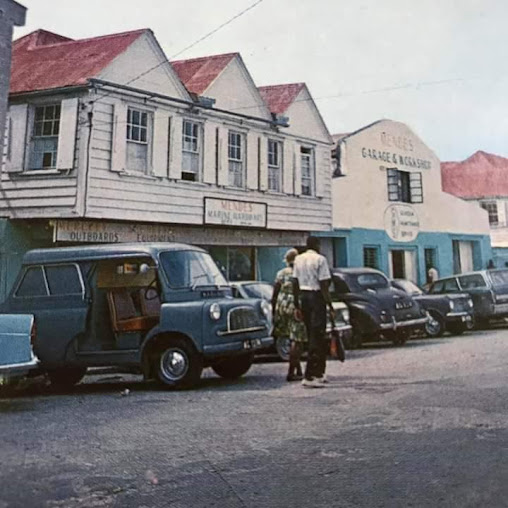
The photo below shows the store owned by Stephen R. Mendes before the area’s development into Redcliffe Quay. The first Portuguese arrived in Antigua as indentured labourers, mostly in the 1850s. Between 1848 and 1861, arrivals totaled 2,235. The majority were from Madeira, with a few from the Cape Verde islands.
After their indenture ended, many moved into trade and independent farming. By the 1870s, rum-selling and baking, in the towns and in the countryside, were firmly in Portuguese hands. Like many of the Portuguese who became merchants, Mendes at first sold bread and then became a dry goods and hardware store. At one time V.C. Bird, who was to become Antigua’s first Premier and then Prime Minister, sold bread in that store. Mendes also owned a car dealership next door and a large property across the street. The van is a Bedford Van–Mendes was the agent. Mendes was also into shipping, insurance, and petroleum products.
This is the same block of buildings today.